EVALUATING PROGRAMDEPTH & YEAR-ROUND DEVELOPMENT
Not all travel softball programs offer the same level of development. This guide helps parents understand what year-round training looks like and why program depth matters for long-term player growth.
Why Program Depth Matters
What separates year-round development programs from seasonal teams.
Year-Round Training
Programs with 12-month development cycles produce faster improvement than seasonal-only teams that leave months of growth untapped.
Facility Access
Dedicated training facilities mean consistent development regardless of weather—critical in New England where outdoor months are limited.
College Preparation
Deep programs prepare players for college softball through recruiting guidance, skill development, and genuine exposure opportunities.
Professional Staff
Year-round programs invest in professional coaching staff who provide consistent instruction and long-term player development.
Year-Round Development vs Seasonal Play
Understanding the structural differences between program models.
The biggest difference between travel softball programs isn't the games they play—it's what happens between games. Year-round programs treat the off-season as development time, not downtime.
Seasonal Program Model
- •Lower annual costs
- •Less time commitment
- •No structured off-season training
- •Skills can regress during gaps
- •Limited technology integration
- •Development dependent on game reps
Year-Round Development Model
- Continuous skill development
- Structured off-season programming
- Facility-based training access
- Data-driven progress tracking
- Softball-specific strength training
- Consistent coaching and feedback
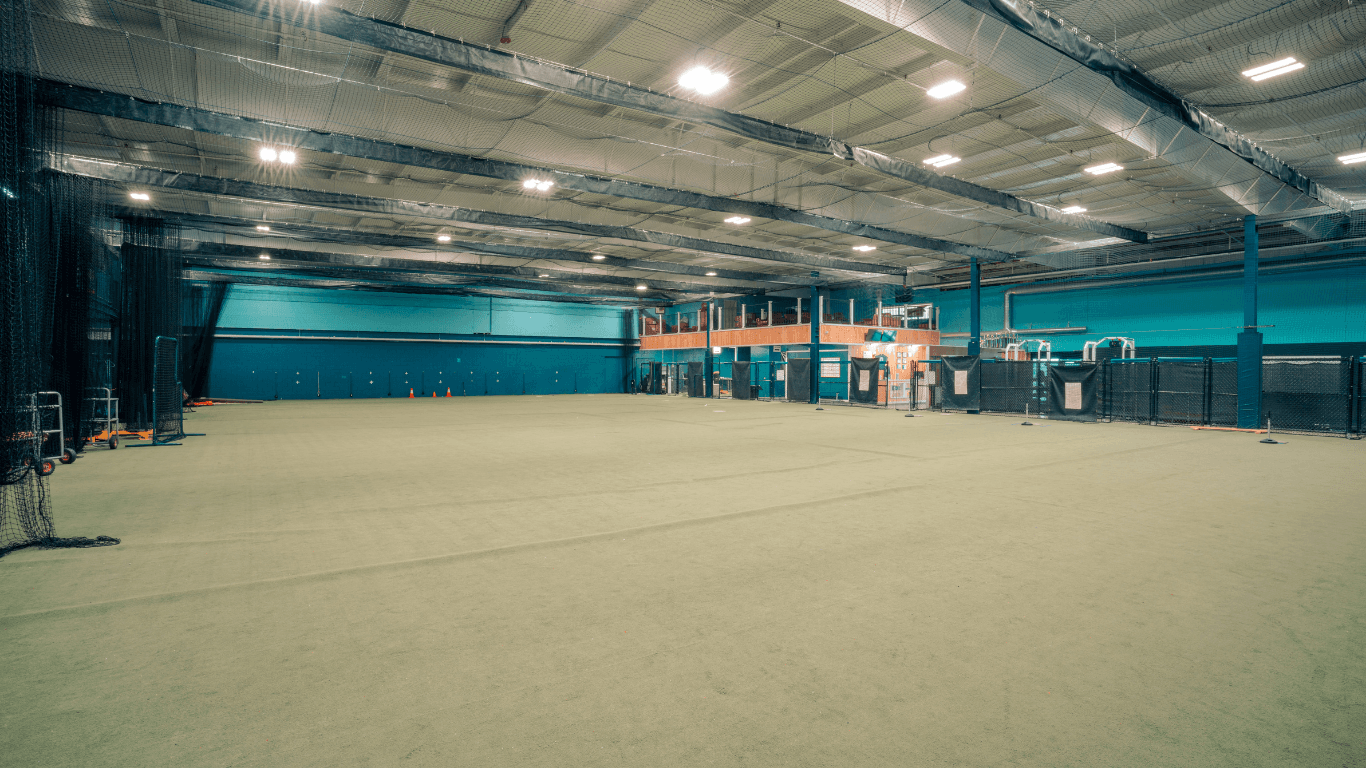
Ghost Premier Softball operates a year-round development model with full access to Atlantic Sports Performance—a 20,000+ square foot training facility.
Evaluating Program Depth
Key questions to ask when comparing development programs.
Questions to Consider
- ?What does off-season training look like?
- ?Do you have a dedicated training facility?
- ?What technology do you use for development?
- ?How do you track individual player progress?
- ?What's the coaching staff's background?
- ?How many players have committed to college?
Ghost Premier's Answers
- Year-round training at Atlantic Sports Performance
- 20,000+ sqft dedicated training facility
- HitTrax, pitching analysis, video review
- Data-driven progress reports for every player
- Professional staff led by 2025 LEC Champion
- 100+ college commits across baseball & softball
Technology-Driven Development
How data and technology accelerate player growth.
The best development programs don't just play games—they use technology to measure, track, and accelerate improvement. Here's what to look for:
- HitTrax data for exit velocity, launch angle, and distance tracking
- Pitching analysis for spin rate, movement, and mechanical evaluation
- Video analysis for swing mechanics and fielding technique
- Strength and conditioning programming specific to softball
- Regular progress assessments with concrete data
- Individual development plans based on objective metrics
Ghost Premier's approach: Every player has access to HitTrax, pitching analysis technology, and professional instruction at Atlantic Sports Performance. Development is measured, not guessed.
College Exposure & Recruiting Support
What genuine recruiting preparation looks like.
Many programs promise college exposure. Fewer actually deliver it. Here's how to evaluate a program's recruiting support:
Recruiting Guidance
Look for programs that help families navigate the recruiting timeline, build skills profiles, and connect with college coaches—not just attend tournaments.
Showcase Selection
Strategic tournament and showcase selection matters more than volume. Ask which events are chosen and why—college coaches attend specific events.
Track Record
Ask for specific college commits—names and schools. Programs with real recruiting success will have concrete answers, not vague numbers.
Player Readiness
The best recruiting programs focus on making players college-ready through development, not just getting them seen. Skills drive recruiting outcomes.